
Are Autoflowers Less Potent Than Photoperiod Strains? The Truth About Modern Autoflower THC Levels
Autoflowers were once considered weaker than photoperiod cannabis strains due to their ruderalis genetics, lower THC levels, and lighter resin production. Modern breeding has changed that dramatically. Today’s autoflower strains can produce dense, terpene-rich flowers with THC levels that often rival many photoperiod cultivars when grown under the right conditions. Understanding how autoflower genetics evolved, how potency compares to photoperiod plants, and what environmental factors influence cannabinoid production can help you get the best results from your grow. In this guide, you’ll learn what affects autoflower potency and how growers maximize resin, terpene expression, and overall flower quality.
Article Insights
- Modern autoflower breeding has significantly improved resin production, terpene intensity, flower density, and overall plant performance.
- Modern autoflower strains commonly produce THC levels between 18–28%, depending on genetics and growing conditions.
- Early autoflowers were often less potent because ruderalis genetics naturally contained lower cannabinoid and resin production.
- Strong lighting, stable temperatures, and balanced nutrients all influence terpene development and cannabinoid expression.
- Autoflowers generally require lighter feeding schedules than photoperiod plants due to their smaller size and shorter lifecycle.
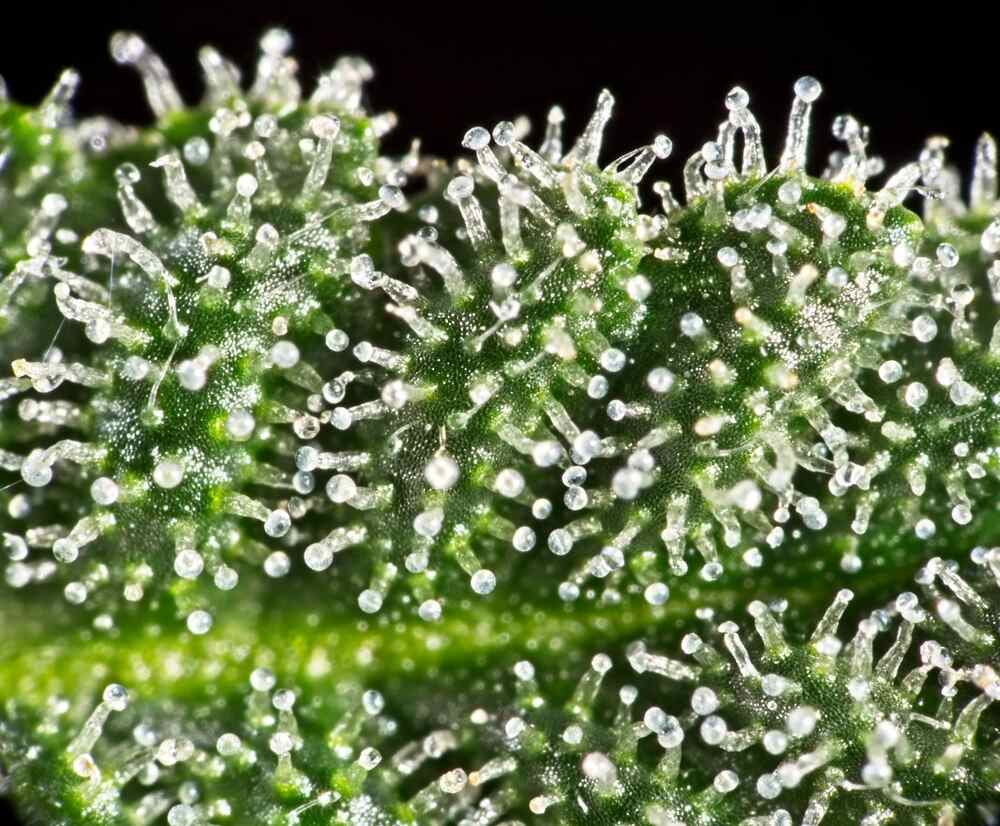
- Harvest timing plays a major role in potency, with most growers harvesting when trichomes appear mostly cloudy with some amber coloration.
Modern autoflowers are no longer significantly less potent than photoperiod strains, with many elite autoflower cultivars now producing 20–30% THC alongside strong terpene profiles and dense resin production.
What Are Autoflowers Made From And Why Were Early Strains Less Potent?
Autoflowering cannabis strains originate from cannabis ruderalis genetics. Ruderalis is a hardy subspecies of cannabis that evolved in colder climates with short growing seasons. Unlike photoperiod cannabis plants, ruderalis flowers automatically according to age rather than changes in light cycles.
This autoflowering trait is what breeders wanted. The downside was potency.
Early ruderalis plants naturally contained very low THC levels compared to indica and sativa varieties. Historical ruderalis populations often tested below 5% THC, while many photoperiod cultivars during the same era exceeded 15–20% THC. When breeders first crossed ruderalis with photoperiod genetics, the resulting hybrids inherited the autoflowering trait while also carrying weaker cannabinoid production and lower terpene concentration.
What is cannabis ruderalis and how did it influence autoflower genetics?
Cannabis ruderalis is a fast-flowering subspecies that evolved in regions where summers are short and harsh. Instead of relying on seasonal light changes, ruderalis automatically enters flowering after a few weeks of vegetative growth.
This adaptation made ruderalis extremely valuable for cannabis breeding because growers could produce plants that flower quickly regardless of light schedules.
The problem is that ruderalis plants were never bred for potency. Wild ruderalis often produced:
- Low THC percentages
- Small airy flowers
- Limited resin production
- Reduced terpene intensity
- Lower cannabinoid diversity
Early autoflower genetics therefore lacked the dense trichome coverage and rich aromatic compounds associated with premium cannabis flower. You would often notice muted terpene profiles with faint earthy or grassy notes rather than the loud fuel, citrus, candy, pine, or skunk aromas growers expect today.
Why did early autoflower strains have lower THC and cannabinoid content?
Early autoflower strains often tested below 10% THC. At the time, photoperiod cannabis strains regularly exceeded 18–20% THC, making the difference obvious to experienced smokers.
This happened because early breeders prioritized speed and autoflowering capability over potency. The ruderalis genetics still dominated many of the cannabinoid traits while also reducing:
- Bud density
- Resin production
- Trichome development
- Terpene concentration
- Flavour intensity
The smoke quality reflected this. Many early autoflowers lacked the pungent aromas and thick resin coverage associated with premium cannabis flower.
I remember growing some of the first autoflower strains years ago, and while they finished quickly, the terpene expression simply was not impressive. You could crack open a cured jar and barely smell anything beyond light herbal notes. Modern autos now release intense bouquets of diesel, tropical fruit, sour citrus, creamy gas, and sweet candy terpenes the moment you open the container.
How do autoflower genetics affect potency, resin production, and yields?
Autoflower genetics influence the entire life cycle of the plant. Because autos flower automatically, they operate on a compressed timeline. This shorter vegetative phase affects:
- Plant size
- Yield potential
- Root development
- Resin accumulation
- Cannabinoid maturation
Modern autoflowers still tend to yield slightly less than large photoperiod plants, but the difference is much smaller than it once was.
Today’s elite autoflower cultivars can produce:
- Dense resin-coated buds
- Loud terpene profiles
- High THC percentages
- Strong cannabinoid content
- Exceptional trichome density
The key is modern breeding selection. Breeders now repeatedly backcross high-potency photoperiod plants into autoflower lines until the ruderalis weaknesses are minimized while preserving the autoflowering trait.
How Did Modern Breeding Create High-THC Autoflowers?
Modern autoflower breeding changed everything. Instead of accepting weak cannabinoid production, breeders spent years stabilizing genetics and selectively breeding for potency, resin production, terpene expression, and flower density.
This is where modern autoflower genetics truly separated themselves from the old-school autos many growers still remember.
How can growers maximize autoflower potency and resin production?
To maximize potency, I focus heavily on reducing stress during early growth while also optimizing the plant’s environment from seedling to harvest. Autoflowers have a much shorter vegetative phase than photoperiod cannabis strains, so every day of healthy growth matters. If an autoflower becomes stressed early on, it has far less time to recover before flowering begins.
Lighting
Lighting is one of the biggest factors influencing autoflower potency, resin production, and terpene development. High-quality grow lights provide the energy cannabis plants need to produce dense flowers, strong cannabinoid levels, and heavy trichome coverage.
I always recommend using powerful LED or HID grow lights when growing autoflowers indoors. Modern full-spectrum LED fixtures are especially effective because they deliver high PPFD levels while producing less heat than older lighting systems. Strong light intensity helps increase:
- THC accumulation
- Resin production
- Flower density
- Terpene expression
The light spectrum also plays an important role throughout the grow cycle. Blue-heavy spectrums support compact vegetative growth, while red-heavy flowering spectrums help increase flower development and cannabinoid maturation.
Maintaining a stable light schedule is equally important because autoflowers rely on uninterrupted growth from seedling to harvest. Consistent lighting conditions allow the plant to focus its energy on producing potent, resin-rich buds instead of recovering from environmental stress.
Nutrients
Autoflowers require a balanced mix of macro and micronutrients to achieve their full potency potential. Healthy nutrient uptake supports cannabinoid production, terpene synthesis, root development, and flower formation.
During vegetative growth, I prefer using nutrient ratio (NPK) close to 3:1:1 to support healthy leaf and stem development. Once flowering begins, transitioning to something closer to 1:3:2 helps encourage larger flowers, increased resin production, and stronger cannabinoid expression.
One mistake many growers make is feeding autoflowers too aggressively. Autos are generally smaller than photoperiod cannabis strains and complete their lifecycle much faster, so they usually require lighter feeding schedules.
In many cases, autoflowers only need:
- One-eighth strength nutrients for seedlings
- One-quarter strength during early veg
- Up to half-strength nutrients during flowering
Overfeeding can cause nutrient lockout, root stress, and reduced terpene production. I always prefer slightly underfeeding autos rather than pushing them too hard.
Hydroponics
Growing autoflowers hydroponically can significantly improve growth speed, resin production, and cannabinoid content when managed properly.
Hydroponic systems deliver oxygen, nutrients, and water directly to the root zone, allowing plants to absorb everything they need more efficiently. This often results in:
- Faster vegetative growth
- Larger flowers
- Increased trichome production
- Higher THC levels
- Stronger terpene expression
I have consistently seen hydro-grown autoflowers produce extremely dense buds coated in sticky resin under optimized environmental conditions.
However, hydroponics also responds much faster to mistakes. Poor pH control, unstable EC levels, or root zone problems can stress autoflowers quickly because their lifecycle moves so rapidly. Stable environmental control is essential when growing autos hydroponically.
Avoid Stressing Your Plants
Minimizing stress is one of the most important aspects of maximizing autoflower potency. Because autoflowers transition into flowering automatically, they have very little recovery time compared to photoperiod cannabis plants.
Stress during early growth or flowering can reduce:
- THC production
- Resin development
- Terpene intensity
- Flower size
- Overall cannabinoid content
Common stressors include:
- Overwatering
- Underwatering
- Temperature fluctuations
- Root damage
- Excessive defoliation
- Aggressive training techniques
While low-stress training can improve light penetration and bud development, autoflowers generally do not respond well to heavy recovery-based techniques like excessive topping or aggressive pruning.
I always focus on maintaining:
- Stable temperatures
- Consistent humidity
- Balanced watering
- Strong airflow
- Healthy root development
A healthy unstressed autoflower will naturally devote more energy toward producing potent flowers rich in cannabinoids and aromatic terpenes.
Harvest At The Correct Time
Harvest timing has a major influence on potency, flavour, terpene retention, and overall smoking quality.
Harvesting too early often results in:
- Lower THC levels
- Reduced terpene complexity
- Less developed cannabinoid profiles
- Lighter effects
Harvesting too late can cause THC degradation while also dulling some of the sharper aromatic compounds responsible for fresh cannabis flavour and aroma.
I usually harvest autoflowers when:
- Most trichomes appear cloudy or milky
- A smaller percentage turn amber
- Calyxes become swollen
- Terpene aromas become strongest
This stage typically provides the best balance between potency, resin production, flavour intensity, and cannabinoid maturity.
Proper drying and curing after harvest also play a huge role in preserving terpene quality and maintaining cannabinoid stability long-term. Even highly potent autoflowers can lose aroma, flavour, and resin quality if they are dried too quickly or cured improperly.
How did modern crossbreeding improve autoflower potency?
Modern crossbreeding involves repeatedly selecting the strongest, most resinous, and highest-THC autoflower plants across multiple generations.
Breeders combine:
- Elite photoperiod genetics
- Stabilized autoflower traits
- High cannabinoid production
- Strong terpene profiles
- Dense flower structures
This process gradually removes many of the undesirable ruderalis characteristics while preserving automatic flowering.
Today’s autoflower breeding programs focus heavily on:
- THC percentages
- Resin production
- Trichome density
- Cannabinoid stability
- Yield improvements
- Terpene retention
Modern breeder testing now shows many premium autoflower strains consistently testing between 22–28% THC under optimized indoor conditions. Some elite phenotypes occasionally test even higher.
Why can modern autoflower genetics now compete with photoperiod strains?
Modern autoflower genetics now contain far less ruderalis influence than older autos. Most elite autoflower cultivars are heavily refined hybrids bred specifically for potency and commercial flower quality.
Some modern autoflower strains now exceed 25–30% THC under optimized conditions.
The gap between autos and photoperiods has narrowed dramatically because breeders focused on:
- Resin-heavy phenotypes
- Dense flower formation
- High cannabinoid expression
- Enhanced terpene production
- Improved calyx-to-leaf ratios
This also means modern autoflowers often deliver:
- Strong psychoactive effects
- Intense aromas
- Sticky resin-rich flowers
- Commercial-grade bag appeal
In blind smoking sessions, many growers would struggle to distinguish top-tier autos from premium photoperiod flower.
What are THCA rich autoflowers and CBD autoflower strains?
Modern autoflower breeding no longer focuses solely on THC. Breeders now develop autos with highly specialized cannabinoid profiles.
THCA-rich autoflowers contain elevated tetrahydrocannabinolic acid levels before decarboxylation. These cultivars are designed for maximum psychoactive potential after curing and combustion.
CBD autoflower strains focus on therapeutic cannabinoid production while maintaining rapid flowering characteristics.
Popular breeding goals now include:
- Balanced THC/CBD ratios
- High terpene retention
- Enhanced flavonoid production
- Specialized cannabinoid expression
Some CBD autoflowers now produce cannabinoid ratios such as:
- 1:1 THC/CBD
- 2:1 CBD dominant
- High-CBG expressions
These cultivars are popular among medical cannabis users seeking smoother effects with less psychoactivity.
Which modern autoflower strains have the highest THC levels?
Some of today’s strongest autoflower strains regularly produce THC levels above 25%.
Examples include:
| Strain | Estimated THC Range | Dominant Terpenes | Typical Effects |
| Gorilla Glue Auto | 24–28% | Diesel, pine, earth | Heavy body relaxation |
| Godfather OG Auto | 25–30% | Kush, spice, fuel | Sedating and powerful |
| Bruce Banner Auto | 22–28% | Sweet citrus, diesel | Euphoric and energetic |
| Wedding Cake Auto | 22–27% | Vanilla, cream, gas | Relaxing and uplifting |
| Auto Moonrocks | 24–30% | Fruity fuel, skunk | Extremely potent hybrid |
These strains produce dense flowers with thick trichome blankets and terpene profiles strong enough to fill an entire drying room with aroma.
Are Common Myths About Autoflowers Actually True?
Autoflowers still carry several myths from earlier generations of genetics. Some growers continue repeating outdated information that no longer reflects modern autoflower breeding.
While autos still have limitations, many of the old criticisms simply no longer apply.
Are autoflowers less potent than photoperiod cannabis strains?
In most cases, modern autoflowers are only slightly behind elite photoperiod strains in raw THC potential.
Average modern autoflower THC levels often range between:
- 18–28% THC
High-end photoperiod cultivars may occasionally exceed:
- 30–35% THC
However, the real-world smoking difference is usually much smaller than the numbers suggest.
Terpene profiles, resin production, flavonoid expression, and cannabinoid synergy all influence the overall experience. A well-grown autoflower with rich limonene, myrcene, caryophyllene, and pinene content can easily feel stronger than a poorly grown photoperiod plant with higher lab-tested THC.
Autoflower vs photoperiod comparison table
| Trait | Autoflowers | Photoperiod Strains |
| Average THC Levels | 18–28% | 20–35% |
| Flowering Time | 8–12 weeks | 14–20 weeks |
| Yield Potential | Medium to high | High |
| Resin Production | High in modern genetics | Very high |
| Terpene Intensity | Strong modern profiles | Often slightly stronger |
| Light Cycle Requirement | Automatic flowering | Requires 12/12 cycle |
| Ease of Growing | Beginner-friendly | Moderate difficulty |
| Harvest Frequency | Multiple yearly harvests | Fewer harvest cycles |
| Plant Size | Compact | Larger plants |
Do autoflowers produce lower yields than photoperiod plants?
Photoperiod cannabis strains still generally produce larger yields because growers can extend the vegetative stage for longer periods.
However, autoflowers compensate with:
- Faster harvest cycles
- Multiple annual harvests
- Compact growth structures
- Lower maintenance requirements
Commercial growers often run perpetual autoflower harvests because the shorter turnaround time offsets slightly lower individual yields.
Do autoflowers produce less resin and terpene content?
Older autos often lacked resin production, but modern genetics changed this dramatically.
Today’s resin-heavy autoflowers can produce:
- Thick trichome coverage
- Loud terpene profiles
- Sticky resin production
- Dense aromatic flowers
Environmental control also plays a major role here. High-quality LED lighting, proper drying conditions, and stable VPD levels significantly improve terpene preservation and cannabinoid development.
When properly cured, modern autoflowers can express:
- Sharp citrus terpenes
- Sour diesel aromas
- Sweet candy notes
- Earthy kush undertones
- Creamy dessert flavours
Are autoflowering cannabis strains still weaker in 2026?
No. That myth is outdated.
Modern autoflower genetics now compete directly with many commercial photoperiod strains in terms of:
- THC production
- Resin quality
- Terpene intensity
- Overall potency
While elite photoperiod cultivars may still hold the absolute top-end potency crown, modern autoflowers are now fully capable of producing premium-grade cannabis flower.
How Can Growers Maximize THCA And CBD Levels In Autoflowers?
Genetics matter, but cultivation practices also influence cannabinoid development. Even the strongest autoflower strain will underperform in poor growing conditions.
If you want maximum THC, THCA, CBD, terpene saturation, and resin production, you need to optimize the entire environment from seedling to harvest.
What environmental factors influence autoflower THC and CBD production?
Several environmental variables directly affect cannabinoid expression.
Key factors include:
- Light intensity
- Root zone health
- Nutrient balance
- Temperature stability
- Humidity control
- Airflow
- Drying conditions
I always prioritize strong lighting because autoflowers operate on a shorter lifecycle. They have less time to recover from stress and less time to build biomass.
High PPFD lighting during flowering often improves:
- Resin production
- Bud density
- THC accumulation
- Trichome development
- Terpene preservation
Does indoor or outdoor growing produce more potent autoflowers?
Indoor cultivation usually provides greater environmental control, which often results in higher cannabinoid consistency.
Indoor growers can optimize:
- Light schedules
- Temperature ranges
- Humidity levels
- CO2 supplementation
- Nutrient precision
Outdoor autoflowers can still become extremely potent, especially in sunny climates, but environmental variables introduce more unpredictability.
Outdoor cultivation often produces:
- Broader terpene diversity
- Richer aromatic complexity
- Strong natural aromas
- Broad cannabinoid expression
Indoor cultivation typically produces:
- Higher resin consistency
- Better bag appeal
- More stable THC percentages
How can growers maximize autoflower potency and resin production?
To maximize potency, I focus heavily on reducing stress during early growth. Autoflowers have limited recovery time, so environmental mistakes hurt yields and cannabinoid development quickly.
My approach includes:
- Starting in final containers
- Maintaining stable VPD
- Avoiding overwatering
- Using high-intensity LED lighting
- Supporting root zone oxygenation
- Keeping nutrient levels balanced
I also avoid aggressive training methods during early growth because stress can stunt autos permanently.
Low-stress training works extremely well because it improves:
- Light penetration
- Airflow
- Bud site exposure
- Yield efficiency
- Resin development
What common mistakes reduce autoflower THC and cannabinoid levels?
The most common autoflower mistakes include:
- Overwatering seedlings
- Poor lighting intensity
- Excessive nitrogen during flowering
- Temperature swings
- Harvesting too early
- Improper drying and curing
Harvest timing is especially important.
If you harvest before trichomes mature fully, cannabinoid development remains incomplete. I prefer harvesting when most trichomes appear cloudy with a small percentage turning amber.
Drying and curing also influence final potency perception because terpene preservation contributes heavily to flavour, aroma, and overall smoking quality.
Conclusion
Autoflowers are no longer the weak, low-potency cannabis plants many growers remember from the early days of autoflower breeding. Modern genetics transformed autos into serious contenders capable of producing high THC levels, dense resin production, rich terpene profiles, and impressive cannabinoid content.
Selective breeding, modern crossbreeding, and years of genetic refinement dramatically improved autoflower potency while preserving the fast-flowering characteristics growers love. Today’s best autoflower strains regularly rival many photoperiod cultivars in terms of strength, aroma, flavour complexity, and overall quality.
Photoperiod cannabis strains still maintain certain advantages, particularly regarding maximum yields and extreme top-end potency potential. However, the gap has narrowed so much that most growers and smokers would struggle to notice a meaningful difference when consuming well-grown modern autoflowers.
If you combine elite autoflower genetics with optimized cultivation practices, you can now produce potent, resin-heavy cannabis flowers capable of competing with premium photoperiod harvests. The old myths surrounding autoflowers are fading quickly, and modern autos have earned their place among the strongest cannabis genetics available today.
FAQ About Autoflower Potency
Why were early autoflower strains considered weaker?
The first autoflower genetics contained a much higher percentage of cannabis ruderalis, which naturally produces lower cannabinoid levels, lighter resin coverage, and smaller flowers compared to indica and sativa cannabis strains.
Can modern autoflowers produce high THC levels?
Yes. Many modern autoflower strains now regularly produce THC levels between 20–28% under optimized growing conditions. Advanced breeding techniques dramatically improved cannabinoid production, resin density, and flower quality.
Do autoflowers produce strong terpene profiles?
Modern autoflowers are capable of producing rich terpene profiles containing citrus, fuel, pine, spice, candy, and earthy aromas. Proper drying, curing, lighting, and environmental control all help preserve terpene intensity and flavour complexity.
Do autoflowers grow faster than photoperiod strains?
Most autoflowers complete their lifecycle within 8–12 weeks from seed, making them considerably faster than many photoperiod cannabis strains that require extended vegetative periods before flowering.
Are autoflowers suitable for indoor cultivation?
Autoflowers perform extremely well indoors because their compact structure and automatic flowering cycle make them easy to manage in controlled environments. Indoor growing also allows for more consistent cannabinoid and terpene development.
Can autoflowers be grown outdoors successfully?
Yes, autoflowers can thrive outdoors when given plenty of sunlight and the right growing conditions. Our selection of outdoor autoflower seeds is bred for resilience, fast flowering, and reliable performance in a wide range of climates. Thanks to their rapid life cycle, outdoor autoflowers are especially popular in shorter-season regions and can even allow for multiple harvests in a single growing season.
If you’re wondering how to grow autoflowers outdoors successfully, check out our complete guide covering outdoor growing tips, feeding schedules, climate considerations, and harvest advice for autoflower strains.
What affects autoflower resin production the most?
Several environmental and genetic factors influence resin production, including:
- Light intensity
- Genetics
- Nutrient balance
- Temperature stability
- Root health
- Harvest timing
Healthy plants grown under stable conditions generally produce thicker trichome coverage and stronger aromatic compounds.
Are hydroponic autoflowers more potent than soil-grown plants?
Hydroponic systems can improve nutrient uptake, flower density, and resin production when managed properly. Many growers report increased cannabinoid expression and stronger trichome development in hydro-grown autoflowers.
Do autoflowers require less nutrients than photoperiod plants?
In most cases, yes. Autoflowers are usually lighter feeders because of their smaller size and shorter lifecycle. Overfeeding can stress the plants and negatively affect flower quality, terpene retention, and cannabinoid production.
When is the best time to harvest autoflowers for maximum potency?
The ideal harvest window typically occurs when most trichomes appear cloudy or milky with a smaller percentage turning amber. At this stage, cannabinoid maturity, terpene intensity, and resin production are usually at their peak.


